Model Showcase Reviews
×
VORTRIXE & CISON 1/6 4-Stroke 44cc Water-Cooled Gasoline OHV V8 Engine Model Kits
Features:
- Hands-On DIY Engine Build:
Experience the joy of mechanical assembly with high-precision components and clear instructions. Learn engine structures and working principles as you build your own functional masterpiece from scratch.
- Realistic Simulation & Functionality:
Features iconic electrophoretic orange coating and supports actual fuel-powered operation. Includes a reserved slot for generator installation, delivering both authentic appearance and mechanical performance.
- Precision CNC Engineering:
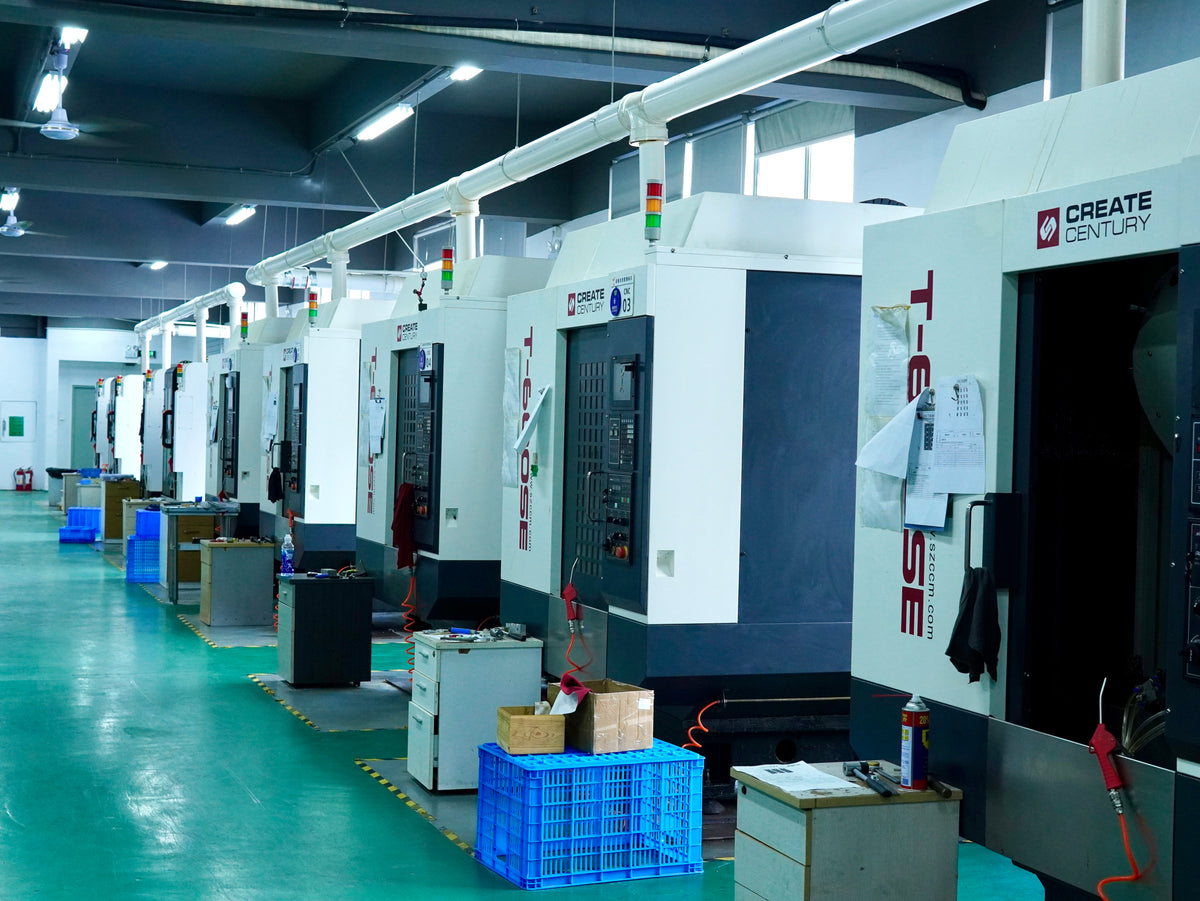
The engine block is crafted using advanced 5-axis CNC machining with a repositioning accuracy of 0.005mm, ensuring perfect fit and smooth operation for a premium mechanical feel.
- High-Torque, Stable Power:
Built with extended-stroke camshafts, larger intake valves, reinforced connecting rods, a 5-point crankshaft, and an independent lubrication system for sustained high-power output, perfect for RC applications.
- Collectible, Playable, Giftable:
Once assembled, this engine serves as a stunning desktop display, can be used to power RC models, or makes an impressive gift for mechanical enthusiasts and hobbyists.
Kind Reminder:
- This engine is a parts kit version and comes with a complimentary CDI ignition system. It does not include water cooling components, spark plug, fuel tank, fuel tubing, or engine base. Please follow the instructions carefully when assembling and operating the engine to avoid damage caused by improper use. If you have any questions, feel free to connect with us.
Product Introduction:
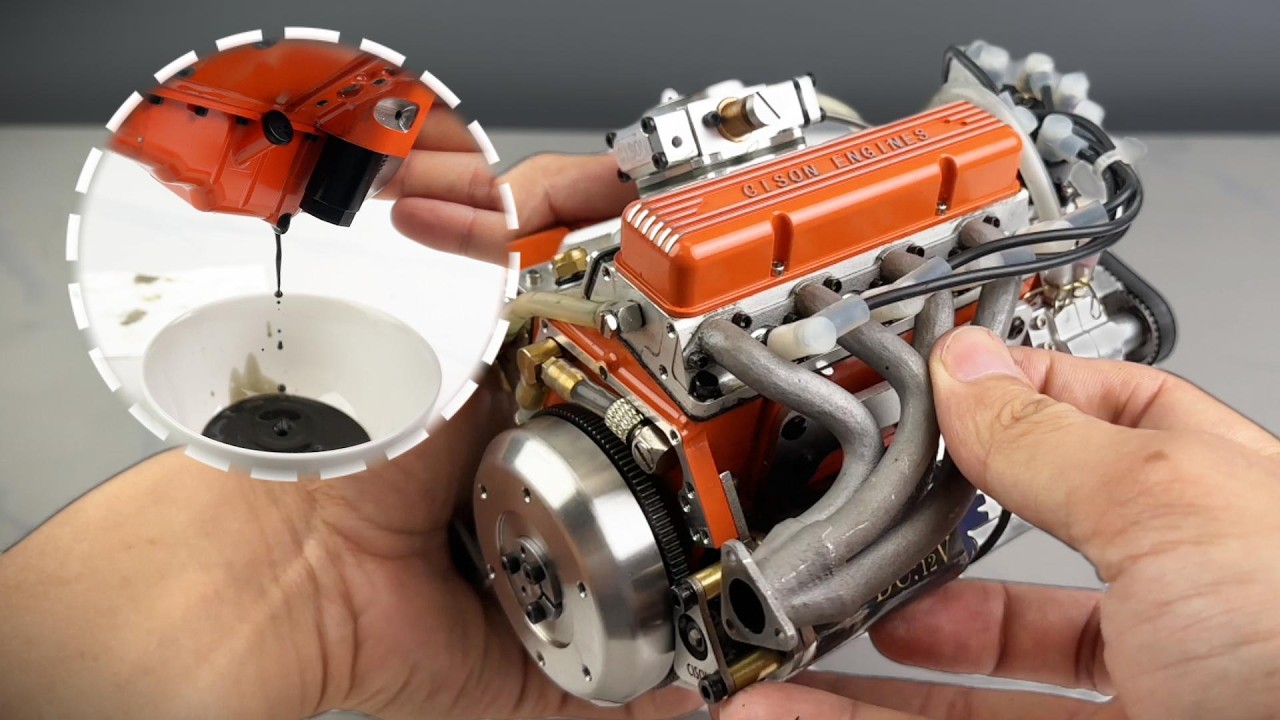
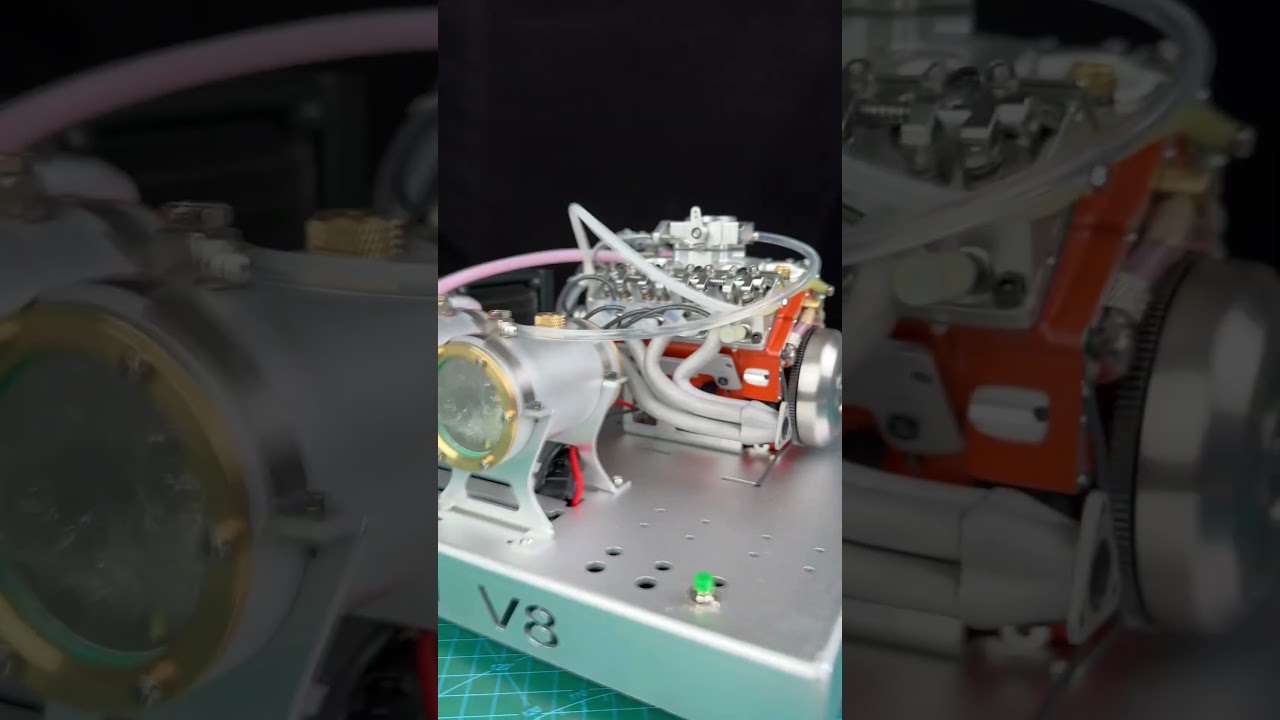
- CISON V8-OHV-44 PRO Engine makes a powerful debut, continuing the legacy of the original classic with a full-scale upgrade. Featuring a striking electrophoretic orange paint finish, it’s equipped with a high-angle stroke, 4-point supported camshaft, enlarged intake valves (larger than exhaust valves), a 5-point supported crankshaft, reinforced wear-resistant connecting rods, dual cast-iron piston rings (optional oil ring), independent lubrication system, a dual-layer gear-driven water pump, and optional generator support.
- This new generation addresses key issues from previous versions with precise improvements to components such as the cylinder bearings, compression ratio, pistons, and valves—resulting in enhanced DIY fun, high realism, and powerful performance. It’s not only an exceptional educational tool for exploring mechanical principles but also serves as the “power heart” for RC models, and a unique collectible or premium gift for enthusiasts.

Features:
- Hands-On DIY Engine Build:
Experience the joy of mechanical assembly with high-precision components and clear instructions. Learn engine structures and working principles as you build your own functional masterpiece from scratch.
- Realistic Simulation & Functionality:
Features iconic electrophoretic orange coating and supports actual fuel-powered operation. Includes a reserved slot for generator installation, delivering both authentic appearance and mechanical performance.
- Precision CNC Engineering:
The engine block is crafted using advanced 5-axis CNC machining with a repositioning accuracy of 0.005mm, ensuring perfect fit and smooth operation for a premium mechanical feel.
- High-Torque, Stable Power:
Built with extended-stroke camshafts, larger intake valves, reinforced connecting rods, a 5-point crankshaft, and an independent lubrication system for sustained high-power output, perfect for RC applications.
- Collectible, Playable, Giftable:
Once assembled, this engine serves as a stunning desktop display, can be used to power RC models, or makes an impressive gift for mechanical enthusiasts and hobbyists.
Kind Reminder:
- This engine is a parts kit version and comes with a complimentary CDI ignition system. It does not include water cooling components, spark plug, fuel tank, fuel tubing, or engine base. Please follow the instructions carefully when assembling and operating the engine to avoid damage caused by improper use. If you have any questions, feel free to connect with us.
Product Introduction:
- CISON V8-OHV-44 PRO Engine makes a powerful debut, continuing the legacy of the original classic with a full-scale upgrade. Featuring a striking electrophoretic orange paint finish, it’s equipped with a high-angle stroke, 4-point supported camshaft, enlarged intake valves (larger than exhaust valves), a 5-point supported crankshaft, reinforced wear-resistant connecting rods, dual cast-iron piston rings (optional oil ring), independent lubrication system, a dual-layer gear-driven water pump, and optional generator support.
- This new generation addresses key issues from previous versions with precise improvements to components such as the cylinder bearings, compression ratio, pistons, and valves—resulting in enhanced DIY fun, high realism, and powerful performance. It’s not only an exceptional educational tool for exploring mechanical principles but also serves as the “power heart” for RC models, and a unique collectible or premium gift for enthusiasts.
| Material | Metal |
| Color | Orange |
| Brand | CISON |
| Model Number | V8-OHV-44 PRO |
| Product Name | Small-block V8 Gasoline Engine Model |
| Form | Kit Version |
| Engine Type | Gasoline Internal Combustion Engine |
| Valve Train | Overhead Valve (OHV) |
| Displacement | 44 cc (8 × 5.5cc) |
| Cylinder | V-Type 8-Cylinder |
| Stroke Type | 4-Stroke |
| Cylinder Diameter | 18.5mm |
| Stroke | 20.5mm |
| Speed | 1500–10000 rpm |
| Power | Approx. 5.5 ps |
| Cooling Method | Water Cooling |
| Lubrication Method | Independent Lubrication System |
| Startup Method | Electric Starter |
| Ignition Method | CDI Induction Ignition |
| Spark Plug Type | Imperial Thread 3/16-40 Spark Plug (not included) |
| Starting Power | 12V battery (not included) |
| Fuel Type | 92# Gasoline (92# or higher recommended) |
| Engine Oil | 4T engine oil (10W50 engine oil / 25ML recommended) |
| Product Dimensions | 15.6 × 11.7 × 9.9cm |
| Package Dimensions | 19 × 21 × 19cm |
| Product Weight | 1700g |
| Package Weight | 3200g |
| Packing | Gift box with top and bottom lid |
| Ages | 16+ |
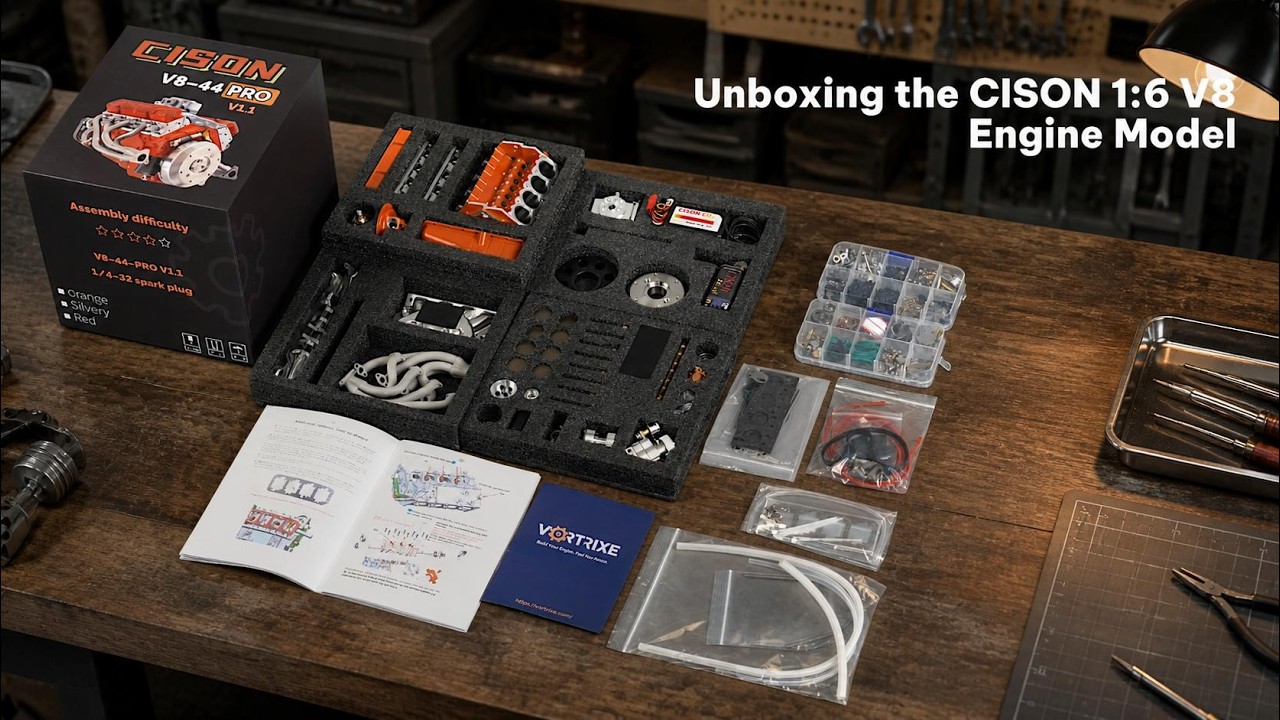
| Package Content | Engine Parts ×1 SetAccessories ×1 SetInstruction Manual ×1 |
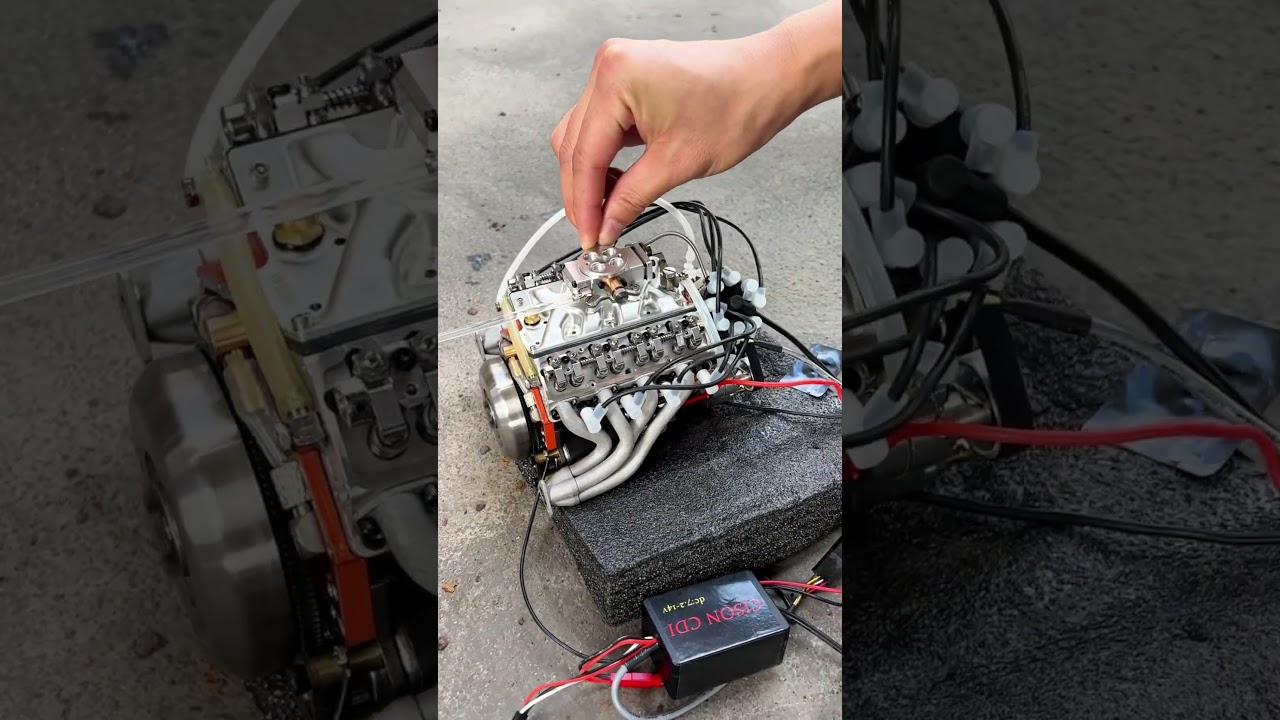
The CDI (Capacitor Discharge Ignition) unit controls spark generation and ignition timing. If the CDI fails, the engine will not produce spark and cannot start.
CDI wiring configuration:
- Black / Red / Yellow / White wires → Distributor
- Black + Red wire → 12V DC power supply
- Black / Red / White wire → Tachometer
Before testing, ensure the battery voltage is approximately 12V and fully charged.
CDI functional test procedure:
1. Position the CDI high-voltage output wire 3–5 mm away from ground.
2. Briefly short the following sensor wires using tweezers:
- Black + White
- Black + Yellow
Result interpretation:
- No high-voltage spark observed → CDI is faulty and should be replaced.
- High-voltage spark observed during both tests → CDI is functioning normally. Further inspect the distributor and Hall sensor.
CDI wiring configuration:
- Black / Red / Yellow / White wires → Distributor
- Black + Red wire → 12V DC power supply
- Black / Red / White wire → Tachometer
Before testing, ensure the battery voltage is approximately 12V and fully charged.
CDI functional test procedure:
1. Position the CDI high-voltage output wire 3–5 mm away from ground.
2. Briefly short the following sensor wires using tweezers:
- Black + White
- Black + Yellow
Result interpretation:
- No high-voltage spark observed → CDI is faulty and should be replaced.
- High-voltage spark observed during both tests → CDI is functioning normally. Further inspect the distributor and Hall sensor.
The distributor ensures that the spark is delivered to the correct cylinder at the correct crankshaft position. Incorrect distributor timing will prevent normal combustion even if spark is present.
1. Remove the rocker cover of cylinder #1.
2. Rotate the flywheel manually.
3. Observe the intake valve of cylinder #1.
4. After the intake valve moves downward, observe the D-shaped flat at the end of the crankshaft.
5. Continue rotating the flywheel until the crankshaft flat reaches the top position. If ignition advance is set, this position may occur slightly earlier.
2. Rotate the flywheel manually.
3. Observe the intake valve of cylinder #1.
4. After the intake valve moves downward, observe the D-shaped flat at the end of the crankshaft.
5. Continue rotating the flywheel until the crankshaft flat reaches the top position. If ignition advance is set, this position may occur slightly earlier.
1. Replace the spark plug of cylinder #1 with a silicone tube.
2. Keep the high-voltage ignition wire close to, but not touching, the metal contact.
3. Observe which cylinder produces the spark.
Result interpretation:
- Spark does not occur at cylinder #1 → Distributor timing is incorrect and must be adjusted.
- Spark occurs at cylinder #1 → Distributor timing is correct; proceed to Hall sensor inspection.
2. Keep the high-voltage ignition wire close to, but not touching, the metal contact.
3. Observe which cylinder produces the spark.
Result interpretation:
- Spark does not occur at cylinder #1 → Distributor timing is incorrect and must be adjusted.
- Spark occurs at cylinder #1 → Distributor timing is correct; proceed to Hall sensor inspection.
The Hall sensor provides position signals for ignition timing and is equipped with two LED indicators.
Test method:
- Rotate the flywheel slowly.
- Observe whether the two LEDs illuminate alternately.
- Check whether cylinder #2 produces spark.
Result interpretation:
- No alternating LED indication and no spark → Hall sensor is damaged and should be replaced.
- Alternating LED indication with spark present → Hall sensor is functioning correctly; carburetor inspection is recommended.
Test method:
- Rotate the flywheel slowly.
- Observe whether the two LEDs illuminate alternately.
- Check whether cylinder #2 produces spark.
Result interpretation:
- No alternating LED indication and no spark → Hall sensor is damaged and should be replaced.
- Alternating LED indication with spark present → Hall sensor is functioning correctly; carburetor inspection is recommended.
Needle functions:
- High-speed needle (brass side): controls fuel delivery at high RPM
- Low-speed needle (throttle arm side): controls idle and low-RPM fuel delivery
- Choke screw: adjusts air intake and operates with the low-speed needle
Adjustment directions:
- Counter-clockwise rotation → increases fuel delivery
- Clockwise rotation → decreases fuel delivery
Reference adjustment values:
- Low-speed needle: 0.25–0.3 turn per adjustment
- High-speed needle: 0.5 turn per adjustment
- Choke opening: 1–2 mm
- High-speed needle (brass side): controls fuel delivery at high RPM
- Low-speed needle (throttle arm side): controls idle and low-RPM fuel delivery
- Choke screw: adjusts air intake and operates with the low-speed needle
Adjustment directions:
- Counter-clockwise rotation → increases fuel delivery
- Clockwise rotation → decreases fuel delivery
Reference adjustment values:
- Low-speed needle: 0.25–0.3 turn per adjustment
- High-speed needle: 0.5 turn per adjustment
- Choke opening: 1–2 mm
This condition is typically caused by insufficient fuel delivery during acceleration.
Adjustment method:
- Reduce idle speed by opening the low-speed needle 0.25 turn counter-clockwise until idle stabilizes at approximately 2000 RPM.
- If stalling persists at full throttle, open the high-speed needle 0.5 turn and repeat adjustment as needed.
Adjustment method:
- Reduce idle speed by opening the low-speed needle 0.25 turn counter-clockwise until idle stabilizes at approximately 2000 RPM.
- If stalling persists at full throttle, open the high-speed needle 0.5 turn and repeat adjustment as needed.
This condition usually indicates an overly rich high-speed mixture.
Adjustment method:
- Close the high-speed needle 0.5 turn clockwise.
- Gradually search for the optimal high-RPM position.
- If idle speed changes during adjustment, fine-tune the low-speed needle and choke opening until throttle response improves.
Adjustment method:
- Close the high-speed needle 0.5 turn clockwise.
- Gradually search for the optimal high-RPM position.
- If idle speed changes during adjustment, fine-tune the low-speed needle and choke opening until throttle response improves.
This symptom suggests insufficient fuel supply at higher throttle openings.
Adjustment method:
- Open the high-speed needle 0.5 turn counter-clockwise.
- Attempt full-throttle acceleration.
- Maintain maximum throttle and fine-tune the high-speed needle to achieve peak RPM.
Adjustment method:
- Open the high-speed needle 0.5 turn counter-clockwise.
- Attempt full-throttle acceleration.
- Maintain maximum throttle and fine-tune the high-speed needle to achieve peak RPM.
This indicates that the low-speed mixture is too lean.
Adjustment method:
- Open the low-speed needle 0.3 turn counter-clockwise.
- Repeat adjustment until the engine runs without blocking the intake.
Adjustment method:
- Open the low-speed needle 0.3 turn counter-clockwise.
- Repeat adjustment until the engine runs without blocking the intake.
This condition is caused by excessive fuel delivery at idle.
Adjustment method:
- Close the low-speed needle 0.5 turn clockwise.
- Adjust until the engine can start with the choke opening reduced to approximately 2 mm.
Adjustment method:
- Close the low-speed needle 0.5 turn clockwise.
- Adjust until the engine can start with the choke opening reduced to approximately 2 mm.
This condition indicates a lack of effective fuel delivery or ignition.
Adjustment method:
- Confirm that fuel has filled the fuel line.
- Briefly block the intake for 1–2 seconds to assist fuel draw.
- If no combustion occurs, open the low-speed needle 0.5 turn and repeat the test.
Adjustment method:
- Confirm that fuel has filled the fuel line.
- Briefly block the intake for 1–2 seconds to assist fuel draw.
- If no combustion occurs, open the low-speed needle 0.5 turn and repeat the test.
Pure Startup
No music. No commentary. Just the authentic sound of the engine.
Assembly Guide
Watch how to assemble this engine model step by step. This detailed assembly video will help you gain a deeper understanding of the product!